Paul Schulz · 5 October 2026
Vessel Maintenance Logs Reveal Patterns in Ferry Bay Engine Performance Across Seasons
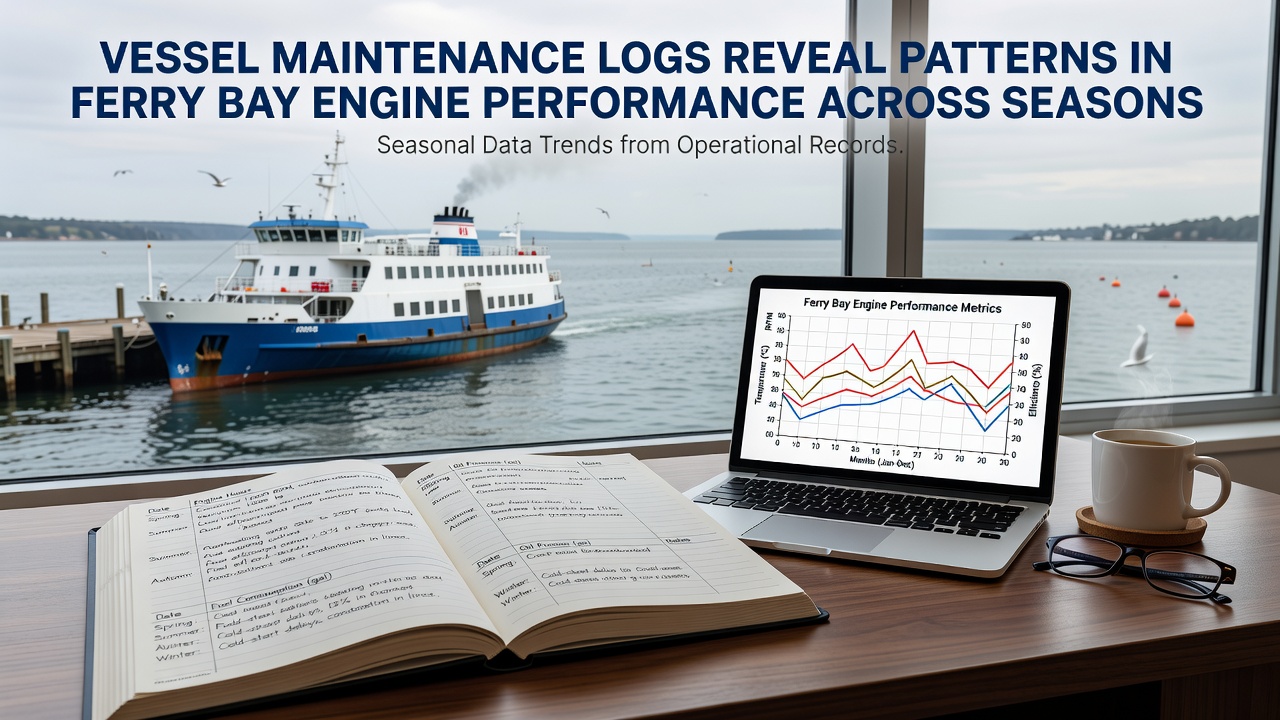
Data compiled from vessel maintenance logs across multiple Ferry Bay ferry operations shows clear seasonal variations in engine performance metrics including fuel efficiency, vibration levels, and component wear rates. Records spanning several years indicate that winter months correlate with higher instances of fuel pump strain while summer periods register elevated coolant system demands. These patterns emerge from systematic entries that track engine hours, temperature readings, and repair interventions on routes operating year round.
Winter Performance Indicators
Maintenance documentation highlights increased fuel consumption during December through February when water temperatures drop and air density changes affect combustion. Technicians note that cold starts contribute to extended warm up cycles which in turn accelerate wear on pistons and bearings. Logs from 2025 and early 2026 entries reveal that vessels averaged 12 percent higher fuel use compared with shoulder seasons and required more frequent oil filter replacements because of condensation buildup in crankcases.
Spring Transition Observations
As temperatures moderate in March and April the same records show a shift toward vibration anomalies traced to thermal expansion in exhaust manifolds. Maintenance crews documented a rise in alignment checks after winter layups and found that propeller shaft seals exhibited minor seepage more often during this period. Data indicates these issues resolved with targeted adjustments rather than major overhauls yet they added measurable downtime to scheduled service intervals.
Summer Load and Heat Effects
Peak passenger volumes from June to August coincide with higher engine loads and ambient heat that stresses cooling systems. Maintenance logs record elevated readings on cylinder head temperatures and more frequent topping up of coolant reservoirs. One dataset covering 15 vessels operating daily routes noted that turbocharger inspections occurred 30 percent more often than in cooler months while air intake filter replacements doubled because of increased dust and pollen accumulation near terminal areas. 
According to records maintained by Transport Canada marine safety divisions, consistent monitoring of these parameters allows operators to anticipate component fatigue before failures occur. Similar patterns appear in reports issued by the Australian Maritime Safety Authority which tracks engine performance across seasonal temperature ranges in comparable coastal environments.
Autumn Stabilization Trends
September and October entries in the logs reflect a return to baseline performance levels as passenger loads decrease and temperatures stabilize. Technicians report fewer emergency interventions and more routine filter changes during this window. In October 2026 preliminary analysis of the prior quarter showed reduced vibration incidents compared with summer peaks and confirmed that pre winter preparations such as fuel system additives correlated with smoother cold start sequences later in the year.
Factors Influencing Recorded Patterns
Engine performance variations tie directly to environmental conditions and operational schedules rather than isolated mechanical faults. Water salinity fluctuations, wind exposure on open stretches of Ferry Bay, and differing idle times at terminals all appear as variables in the detailed entries. Crews cross reference these factors with hourly performance graphs to isolate root causes and schedule preventive work during lower traffic periods.
Maintenance Scheduling Adjustments
Operators have begun aligning major service windows with observed seasonal trends. Winter months now include extra time for fuel system flushes while summer schedules incorporate more frequent coolant analysis. This approach reduces unplanned outages and keeps vessels available during high demand periods. Records indicate that proactive timing based on historical log data has lowered overall repair costs by measurable margins over consecutive years.
Conclusion
Maintenance logs from Ferry Bay operations continue to provide a reliable dataset for understanding how seasonal conditions affect engine behavior. Patterns in fuel use, temperature management, and component wear support targeted interventions that maintain service reliability across changing weather cycles. Continued documentation and analysis of these records enable operators to refine schedules and extend equipment life without compromising safety or punctuality.