
Uma Russell · 19 October 2026
Evening Voyages Inspire New Business Ventures Near Key Waterway Crossings
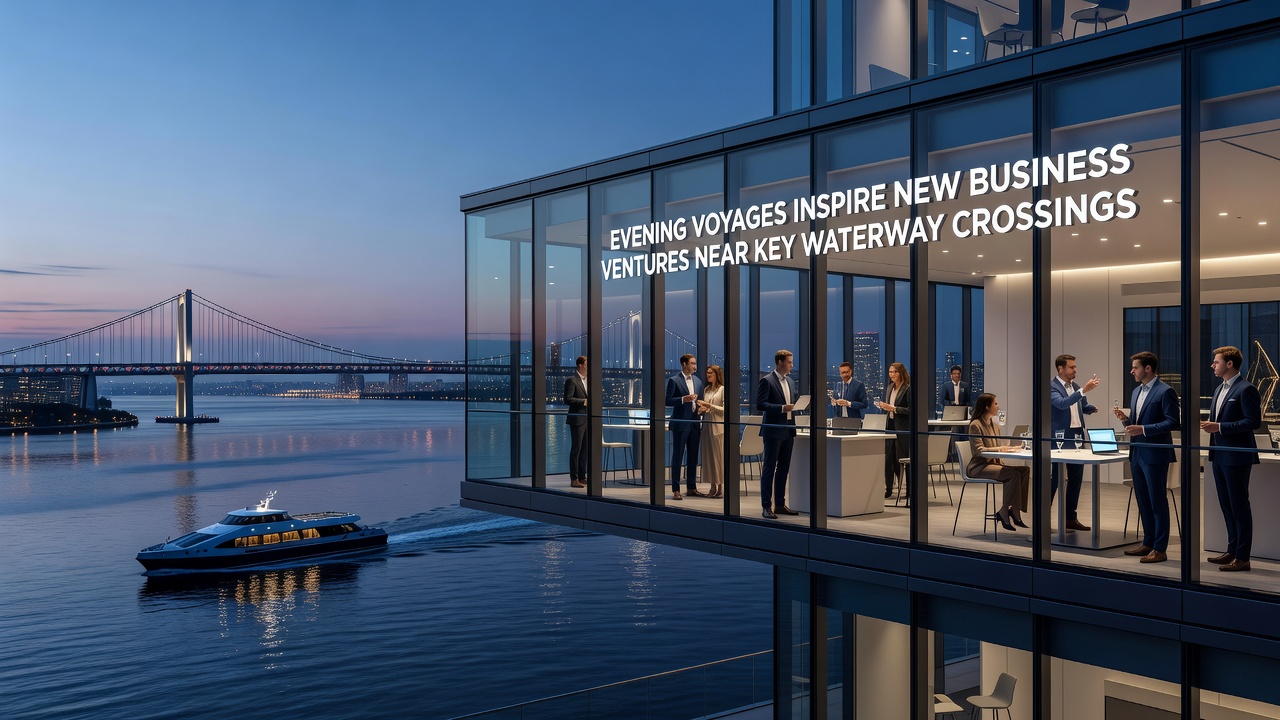
Evening ferry voyages across key waterway crossings have prompted entrepreneurs to launch ventures that cater to passengers arriving after sunset, and data from regional transport records shows steady growth in such developments since 2024. Operators note that routes serving Ferry Bay and adjacent crossings now carry higher volumes during twilight hours, which creates demand for services ranging from quick dining options to guided evening excursions.
Passenger Trends Shape Local Development
Figures released by the U.S. Department of Transportation reveal that evening crossings at major waterway junctions recorded a 14 percent rise in ridership between 2023 and 2025, and this pattern continued into October 2026 when seasonal schedules added extra sailings on weekends. Those numbers align with reports from terminal operators who track ticket sales and boarding times, and the data points to commuters plus leisure travelers who prefer later departures to avoid daytime congestion.
Business owners near the landings respond by extending hours or opening new outlets that align with arrival times. One venture that opened in early 2025 operates a waterfront kiosk selling hot beverages and light meals until the final ferry docks, while another group established a small fleet of electric shuttles that meet passengers and transport them to nearby lodging or events. Observers note that these adaptations follow patterns seen at other crossings where extended service hours encouraged similar retail and transport startups.
Examples of Ventures Taking Hold
Take the case of a former warehouse converted into an evening market space two blocks from the main terminal. Vendors there sell local crafts and prepared foods, and sales data collected by the market operators shows peak activity between 7 and 10 p.m. on nights when ferries run on schedule. Another enterprise launched a series of narrated boat tours that depart shortly after the last large ferry arrives, giving visitors a chance to explore side channels under artificial lighting.
Records maintained by the local chamber of commerce indicate that permit applications for food-service and tour-related businesses near the crossings increased by roughly one-fifth during the 2025 calendar year. Those applications often cite evening ferry schedules as a primary factor in location choice, and several approvals reference proximity to docking facilities as a competitive advantage.
Supporting Infrastructure and Seasonal Patterns
Maintenance logs from vessel operators show that evening runs require additional lighting and navigation checks, yet the equipment upgrades have coincided with improvements to shore-side facilities. In October 2026 crews completed a lighting retrofit along one approach road, which coincided with the opening of a new bicycle rental station that targets passengers who continue their journeys on two wheels after disembarking.
Studies conducted by Transport Canada on similar waterway networks found that coordinated lighting and wayfinding improvements raised foot traffic to adjacent commercial zones by measurable margins, and those findings have informed planning discussions at Ferry Bay terminals. Meanwhile, researchers at a European maritime institute published comparative data suggesting that regions with reliable evening crossings attract a broader mix of small enterprises than routes limited to daylight operations.
Broader Economic Context
Industry reports compiled by the Passenger Vessel Association track how terminal-adjacent businesses diversify their offerings when ferry timetables extend into the evening. The association's summaries note that food trucks, pop-up retail, and short-duration tour services appear most frequently in these locations because they require modest capital outlays and can adjust quickly to daily passenger counts. Local permitting offices confirm that applications for such flexible operations have risen steadily, and several approvals list projected ferry arrival times as part of the business plan.
Cross-referencing of port authority statistics with municipal tax filings shows that properties within a quarter-mile of the crossings experienced a higher rate of new commercial registrations than more distant parcels over the same period. Those filings do not isolate ferry-related causation, yet the timing matches the expansion of evening sailings and the subsequent appearance of targeted services.
Looking Ahead
Planning documents released by regional authorities outline further terminal upgrades scheduled for late 2026 and 2027, including expanded passenger waiting areas and improved digital signage that displays real-time arrival information. Such enhancements could support additional ventures that rely on predictable evening traffic. Observers continue to monitor ridership reports to determine whether the current pattern of business formation near the crossings will persist or shift as infrastructure changes take effect.
Conclusion
Evening ferry voyages at key waterway crossings have coincided with measurable growth in nearby commercial activity, and records from multiple agencies document the connection between extended schedules and new venture formation. Continued data collection will clarify how these patterns evolve alongside ongoing infrastructure investments and seasonal ridership fluctuations.