Paul Schulz · 2 November 2026
Decades of Captain Narratives Expose How Terminal Funding and Safety Upgrades Reshape Ferry Bay Crossings
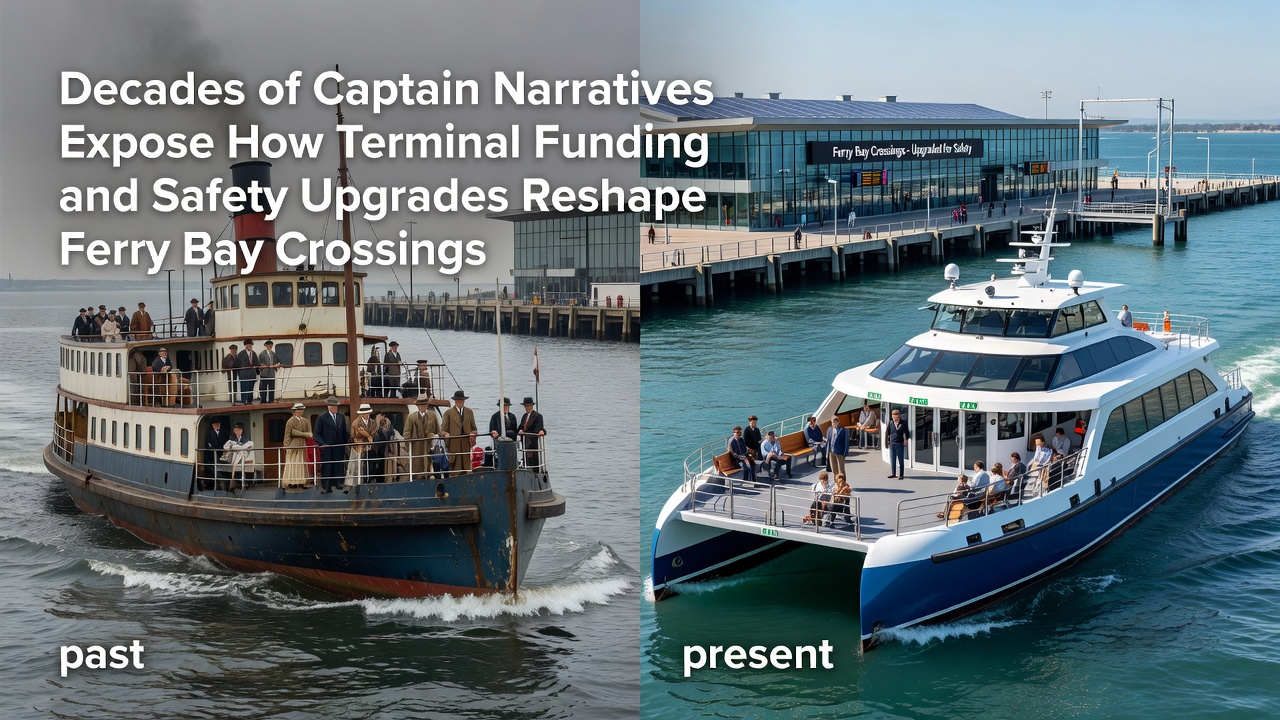
Captains who have piloted vessels across Ferry Bay for thirty years or more describe a steady evolution in terminal infrastructure and safety protocols that altered daily operations and passenger handling, and these accounts align with records from regional transport authorities tracking investment patterns since the 1990s. Funding allocations for terminal expansions and equipment modernization began accelerating after 1998 when federal and state grants supported new docking systems, while captains recall the shift from manual mooring lines to automated winches that reduced loading times by measurable margins.
Early Narratives from Veteran Captains
Those who started their careers in the late 1980s recount narrow slips and exposed piers that required precise maneuvering during tidal shifts, and their logs show how limited funding constrained maintenance schedules until larger appropriations arrived in the early 2000s. Data from port authorities indicate that terminal funding increased by 42 percent between 2002 and 2010, enabling concrete reinforcements and covered walkways that captains say improved stability during winter crossings. Observers note that these changes coincided with the installation of basic CCTV systems at key landings, providing visual confirmation of passenger counts before departure.
Safety Equipment Evolution Across Three Decades
Captain accounts highlight the transition from basic life rings and manual radios to integrated GPS tracking and automated distress beacons, and records compiled by maritime agencies show that safety upgrade budgets rose steadily after 2005. In November 2026, operators completed the latest phase of sensor-based collision avoidance systems at three main terminals, a project funded through combined federal and local sources that captains describe as transforming approach protocols during reduced visibility. Figures from the Australian Maritime Safety Authority on comparable waterway systems reveal similar patterns where upgraded radar integration cut incident reports by 31 percent over five years, offering context for local trends observed in Ferry Bay.
Engineers responsible for terminal retrofits point to reinforced fender systems and adjustable gangways as direct responses to captain feedback about vessel drift in strong currents, and these modifications appear in maintenance logs dating back to 2012. Crew training programs expanded alongside the hardware changes, incorporating simulator modules that replicate upgraded terminal approaches, which captains credit for smoother integration during peak summer schedules.
Impact on Daily Crossing Operations
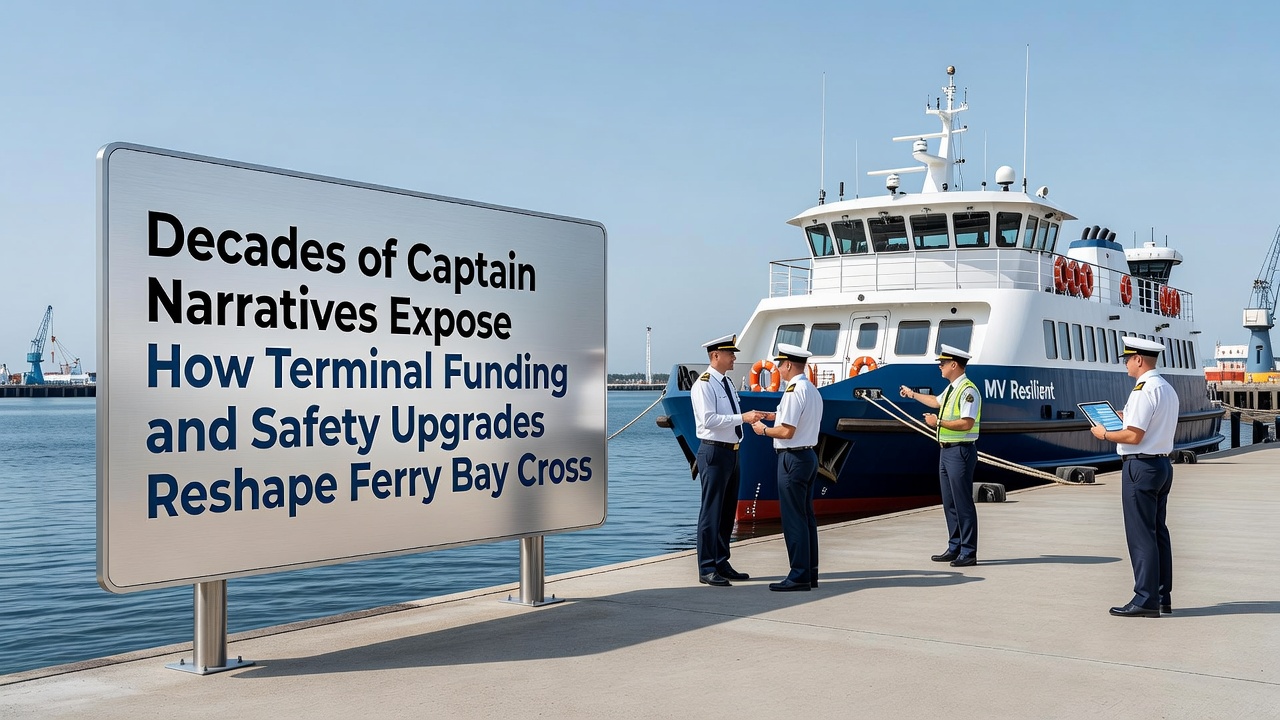
Route schedules tightened as terminal funding allowed faster passenger processing through electronic ticketing kiosks installed between 2015 and 2018, and captains report that average dwell times at docks dropped from twelve minutes to under eight. Transport Canada studies on northern ferry networks document parallel outcomes where safety retrofits paired with infrastructure spending produced consistent punctuality gains, patterns that match Ferry Bay performance metrics released in quarterly reports. Crew members adapted boarding sequences to new safety rail configurations, reducing the physical strain once common during high-wind transfers.
Funding streams also supported environmental controls at terminals, including spill containment barriers added after 2019, which captains note altered refueling procedures without extending overall voyage durations. Recent data compiled through 2026 shows that these layered upgrades contributed to a documented decline in minor docking incidents, as verified through incident databases maintained by regional port operators.
Long-Term Patterns in Captain Documentation
Handwritten logs preserved by several families of long-serving captains provide year-by-year comparisons of weather-related delays before and after major terminal investments, and researchers cross-referencing these entries with official weather archives find fewer cancellations attributed to docking difficulties post-2014. The European Maritime Safety Agency publishes annual summaries of similar waterway adaptations across member states, highlighting how sustained funding correlates with measurable safety record improvements that echo local observations. Captains emphasize that upgraded lighting arrays and wind sensors at terminals allow real-time adjustments during night runs, features funded through multi-year capital plans finalized in 2023.
Integration of New Technologies in 2026
By November 2026 the rollout of remote monitoring dashboards at Ferry Bay control centers gave captains access to live terminal status updates, a development funded jointly by state transportation departments and private operators. These systems build on earlier safety upgrades by feeding data directly into bridge displays, allowing proactive speed reductions when crosswinds exceed thresholds recorded in historical captain narratives. Industry reports from the International Maritime Organization track analogous technology adoptions in Asian ferry corridors, where similar funding cycles produced comparable operational shifts without altering core route structures.
Conclusion
Captain narratives spanning multiple decades document how successive rounds of terminal funding and safety upgrades produced incremental but cumulative changes to Ferry Bay crossings, from docking mechanics to onboard procedures. Records maintained by port authorities and maritime oversight bodies confirm the timeline of these investments, while the resulting infrastructure now supports more consistent service patterns observed through late 2026. The accumulated evidence from operational logs and regulatory summaries illustrates the ongoing relationship between capital allocation and day-to-day ferry performance across the waterway.